 admin
adminTMS change brain structure
Does TMS change brain structure? This question has become increasingly common as more people explore Transcranial Magnetic Stimulation as a potential treatment for depression, anxiety, OCD, and other neurological or psychiatric conditions. TMS, or Transcranial Magnetic Stimulation, is a non-invasive therapy that uses magnetic pulses to stimulate specific regions of the brain associated with mood regulation and cognitive processes. While many understand that TMS influences brain activity, it is natural to wonder whether these effects extend to actual changes in brain structure.
Research suggests that TMS does not physically alter the brain in a harmful or invasive way. It does not involve surgery, implants, or electrical shocks. However, studies indicate that TMS can create beneficial neuroplastic changes, which refers to the brain’s ability to reorganize and form new neural pathways. Instead of changing the physical structure of the brain in a dramatic or damaging sense, TMS supports healthy adaptation. In people struggling with depression, areas of the brain responsible for mood regulation—such as the dorsolateral prefrontal cortex—are often underactive. tms near me stimulates these regions, helping restore more normal levels of activity and strengthening neural connections.
Over time, repeated TMS sessions can lead to long-term improvements in communication between neurons. This process is sometimes described as structural change, but it is better understood as functional and adaptive change. Essentially, TMS encourages the brain to rewire itself in healthier ways, similar to the effects of learning a new skill or practicing therapy techniques. This is why many patients continue to experience benefits even after completing a full course of treatment.
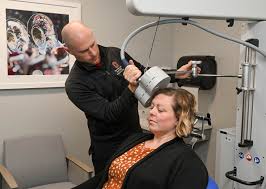
Does TMS change brain structure?
The idea that TMS may influence brain structure in a positive way is supported by scientific imaging studies, including MRI and other neurological measurements. These studies have observed increases in gray matter volume and enhanced neural connectivity in areas associated with emotional balance. Importantly, these changes are considered therapeutic rather than risky, contributing to symptom relief and improved quality of life. This is very different from structural damage, which TMS does not cause. Because the magnetic pulses used in TMS are gentle and targeted, the procedure is widely regarded as safe and appropriate even for individuals who have not found success with traditional antidepressants.
Another reason people wonder whether TMS changes brain structure is concern about side effects. The most common side effects are mild scalp discomfort or temporary headache, typically occurring early in treatment and resolving quickly. Serious adverse effects are rare, and the therapy has been cleared by health authorities in many countries, including the FDA in the United States, due to its safety record.
For those who are considering treatment and searching online with terms like tms near me, understanding how TMS interacts with the brain can provide reassurance. Talking with a provider can help clarify expectations, discuss research, and determine whether TMS is a good fit based on symptoms and medical history. By asking questions and reviewing available information, individuals can feel more confident in their decision.
Ultimately, although TMS does not change brain structure in a destructive or surgical manner, it does encourage beneficial neuroplastic adaptations that help restore balance and improve mental health. These positive changes are part of what makes TMS an effective and hopeful option for many people seeking relief and long-term recovery.
