 admin
adminGynecomastia surgery is generally considered a well-established procedure for reducing unwanted male chest tissue, but like any surgical treatment, it carries potential risks. Possible complications include bleeding, infection, swelling, bruising, changes in nipple sensation, scarring, contour irregularities, and differences between the two sides of the chest. Most patients recover without serious problems when surgery is performed appropriately and postoperative instructions are followed. Understanding the potential risks before treatment is important. A thorough consultation allows patients to discuss their medical history, individual concerns, expected results, and ways to reduce avoidable complications.
Common Risks and Potential Complications
One potential concern after Gynecomastia surgery is temporary swelling, bruising, tenderness, or numbness around the treated area. These effects commonly improve as healing progresses, although sensation can occasionally take longer to return. Bleeding or fluid accumulation beneath the skin can also occur and may sometimes require additional treatment. Infection is another possible complication, although appropriate surgical practices and postoperative wound care can reduce this risk. Patients should follow instructions regarding medications, incision care, compression garments, and physical activity. Promptly reporting unusual symptoms can help the surgical team address complications before they become more significant.
Changes in Chest Contour
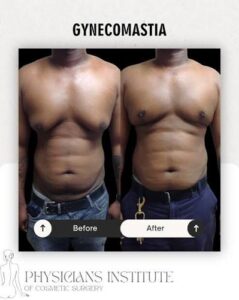
Contour irregularities are another possible risk, particularly when different amounts of fat or glandular tissue are present on each side of the chest. Removing too much or too little tissue can potentially affect symmetry or create an uneven appearance. Skin quality, existing asymmetry, and individual healing also influence the final contour. Surgeons carefully assess these factors when planning treatment, but perfect symmetry cannot always be guaranteed. Swelling can temporarily make the chest appear uneven during recovery, so patients should generally wait until healing progresses before evaluating the final aesthetic outcome.
Scarring and Nipple Changes
Depending on the surgical technique used, patients may have scars around the areola or in other treatment areas. Incisions typically become less noticeable as scars mature, but their final appearance varies according to genetics, skin characteristics, surgical technique, and aftercare. Temporary or permanent changes in nipple or skin sensation are also possible. In uncommon situations, the nipple may appear altered in position or contour. Discussing incision placement and potential sensory changes with the surgeon beforehand can help patients understand what to expect. Careful postoperative scar management may also support favorable healing over time.
Risks Related to Healing
Healing after Gynecomastia correction differs from person to person. Smoking, certain medical conditions, medications, and poor adherence to postoperative instructions may increase the likelihood of delayed healing or other complications. Patients should provide their surgeon with complete information about their health, medications, supplements, and previous procedures before surgery. Following restrictions on exercise and heavy lifting is particularly important during the early recovery period. Although most patients experience gradual improvement, unexpected pain, increasing redness, significant swelling, fever, drainage, or bleeding should be communicated to the surgical team promptly for appropriate evaluation.
How Risks Can Be Reduced
Choosing a qualified and experienced cosmetic surgeon is an important step toward reducing surgical risks. A detailed consultation should include an examination of the chest, review of medical history, discussion of medications, and assessment of whether liposuction, tissue excision, or a combination is appropriate. Patients should also understand the recovery process and follow all postoperative recommendations carefully. Men considering treatment in Bluffton, SC, can research personalized cosmetic surgery information through sculpt-cosmeticsurgery.com. Selecting an appropriate surgical technique and maintaining open communication with the medical team can help support safe recovery and satisfactory aesthetic results.
Making an Informed Treatment Decision
Although Gynecomastia surgery has potential risks, many patients undergo treatment successfully and achieve improved chest contours. The decision to proceed should be based on a personalized discussion of benefits, limitations, alternatives, and possible complications rather than cost or appearance alone. Patients should ask questions about anesthesia, surgical technique, recovery, scarring, expected results, and circumstances that might require additional treatment. Every individual has different anatomy and healing characteristics, so outcomes cannot be guaranteed. A qualified surgeon can help determine whether treatment is appropriate and provide guidance tailored to the patient’s specific needs and aesthetic goals.
