 admin
adminemployment contract valid without a signature
Is an employment contract valid without a signature? This question often arises when an employee begins working before formally signing paperwork, or when written terms are exchanged but no document is physically signed. Many people assume that a signature is the only way to make an agreement enforceable, yet employment law can recognize other forms of acceptance. Whether an unsigned agreement is valid depends on how both parties behaved and whether there is evidence that they agreed to the terms. Understanding how validity is determined helps prevent confusion and protects the rights of both employees and employers.
An employer may provide an Employment Contract outlining job duties, pay, work hours, benefits, and workplace expectations. If the employee begins working under the terms listed, this can sometimes be interpreted as acceptance of the agreement, even if they did not sign it. When both parties behave in accordance with the terms, the law may recognize the contract as binding because a working relationship has clearly formed. For example, if the contract states a specific salary and the employee receives that exact salary while completing the required duties, it may show that both parties accepted the arrangement.
However, not all situations are straightforward. If there is disagreement or uncertainty about terms, the absence of a signature can create legal complications. If the employer claims that a specific term applies — such as a non-compete clause or a confidentiality requirement — but the employee argues they never agreed to it, the unsigned Employment Contract can become difficult to enforce. Without a signature, it may be hard to prove that the employee actually accepted all the written terms rather than simply agreeing to work for the salary offered. In disputes, courts often look at conduct, correspondence, and verbal conversations to determine whether a contract was genuinely agreed upon.
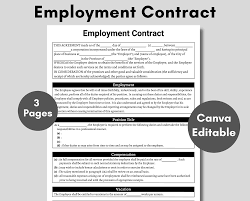
Is an employment contract valid without a signature?
There are cases where an employer issues a revised Independent contractor agreement vs employment contract but continues employing the individual without confirming acceptance of the new terms. If the employee follows the new terms in practice, such as updated salary or responsibilities, the revised contract may be considered valid even without a signature. But if the employee clearly objects to the changes or continues working under protest, the unsigned version may not be enforceable. This highlights the importance of clear communication and timely acknowledgment when contract terms are updated.
From the employee’s perspective, relying on an unsigned Employment Contract can be risky if they believe certain benefits or rights apply. If a dispute arises and there is no signed document confirming those entitlements, the employee may struggle to prove their claim. Likewise, employers should not assume they can enforce strict terms without ensuring the worker has knowingly agreed to them.
Ultimately, a signature provides certainty because it clearly confirms mutual agreement. While an Employment Contract can sometimes be valid without a signature, especially when both sides behave consistently with its terms, the absence of a signature increases the risk of misunderstandings and legal disputes. The safest approach for employers is to request signed acknowledgment before work begins, and for employees to review and sign only when they fully understand the contents. Clear documentation, transparent communication, and mutual consent form the basis of a strong and legally reliable employment relationship.
